How to choose a scientifically-proven diet for obesity treatment
Diet changes are an important part of any obesity treatment plan. Learn more about how to choose a scientifically-proven diet for weight management.
We have detected that you are located in . Do you want to switch to the local site?
Are you unsure whether you should see an obesity specialist because of your excess weight? Are you wondering what an obesity examination involves? Or are you looking for an obesity specialist near you? Here you'll find important tips to help you prepare for your appointment and learn about the examinations and treatments available for obesity.
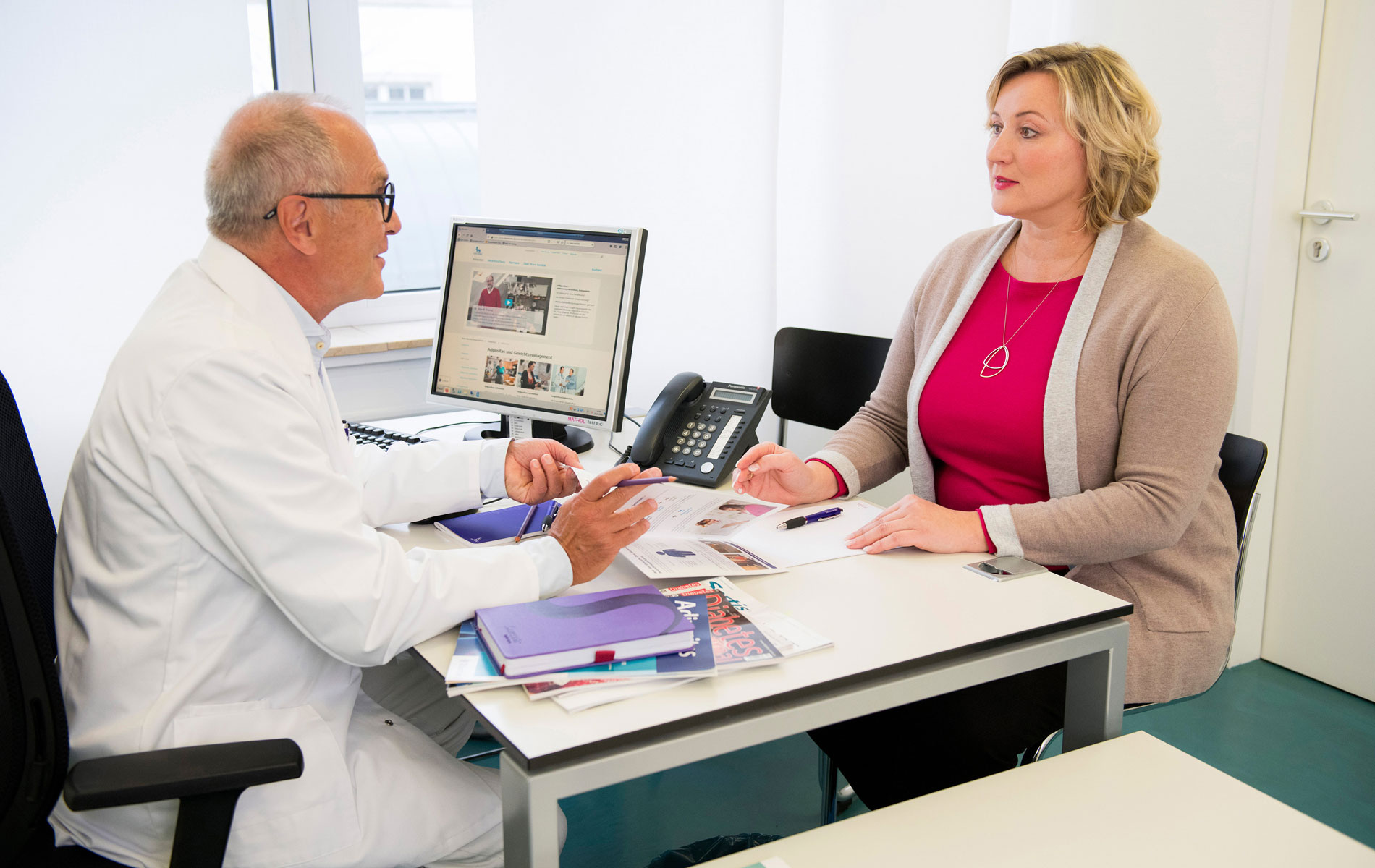
Agency photo. Model provided.
Absolutely – if you need support with your obesity treatment , you should consult a doctor. Your family doctor could be the first point of contact for obesity or severe overweight.
It's important to know that there isn't one single specialist for obesity. Weight management can be discussed with doctors from various specialties, such as an internal medicine, dermatologists, gastroenterologists etc.
Obesity is a diagnosis of a chronic disease , determined in part by your BMI. A BMI of 25 to 30 is considered pre-obesity. At this level, the risk of developing secondary diseases may be increased. A BMI of 30 or higher indicates obesity. Severe obesity can further increase the risk of type 2 diabetes and cardiovascular disease . A BMI of 40 or higher is considered morbid obesity. Severely obese patients may develop other serious secondary diseases. If you don't know your BMI, you can easily calculate it using our [tool/tool name - please specify if known].Find out using a BMI calculator.
Once you've contacted a doctor, your general health will be assessed. You'll then receive recommendations for further treatment and, if necessary, a referral to another doctor.
Find an Obesity Specialist near you.
In the next stage, a more in-depth conversation often takes place, allowing the doctor to gain a better understanding of your situation. You will also have the opportunity to ask your questions and, conversely, the doctor will ask you questions as well. Subsequent appointments will then focus on determining possible treatment options .
By the way: Always remember that even small successes are important. Seeking medical help for being overweight is an important and significant step towards improving your quality of life.
Your obesity doctor may ask you many different questions during your appointment . We've compiled a few of them to help you prepare.
Examinations for obesity often begin with measuring weight and calculating BMI. This gives the doctor an initial impression of your situation. Measuring your waist circumference and testing your blood are possible supplementary examinations. Based on this initial information, doctors can better tailor their treatment approach to your individual needs.
The treatment of obesity varies depending on The severity varies greatly from person to person. For this reason, the examinations may differ. Often, it's not just the excess weight itself that needs to be examined, but above all the resulting illnesses and the individual risk of developing such a secondary condition. This can, of course, also be associated with current or past illnesses.
When losing weight under medical supervision, a holistic approach is crucial. Obesity treatment comprises three interconnected areas: basic therapy, medication, and surgical intervention. Basic therapy includes nutritional therapy, exercise therapy, and behavioral therapy. If these measures do not result in sufficient weight loss, medication can be considered as an addition. Surgical intervention is the last resort. The right combination of approaches can be decisive for achieving long-term weight loss success.